
Find Relief From Frequent Urges and Bladder Disruption
When you feel the need to urinate frequently or experience sudden, difficult-to-control urges, it can affect how you plan your day, sleep, work, and social activities. Overactive bladder (OAB) is a common condition, but that does not mean you have to simply adjust your life around it.
At Victara, we take a personalized approach to bladder and pelvic health. Through an assessment of your symptoms, health history, and goals, we can help you explore appropriate care options to support better bladder function and quality of life.


Understanding Overactive Bladder
Overactive bladder is a group of urinary symptoms associated with a sudden, strong urge to urinate that can be difficult to postpone. It may happen even when the bladder is not full.
OAB can affect people of all genders and becomes more common with age. Symptoms can vary, and some people experience urgency without leakage, while others also have episodes of urinary incontinence.
Overactive bladder can involve several symptoms, including:
- Urinary urgency: A sudden, compelling need to urinate that is difficult to put off.
- Urinary frequency: Needing to urinate more often than usual throughout the day.
- Nocturia: Waking during the night one or more times to urinate.
- Urgency incontinence: Experiencing urine leakage before reaching the bathroom.
How an Overactive Bladder Can Affect Everyday Life
Overactive bladder can affect more than your bathroom habits. Frequent urges and uncertainty about when you will need a washroom can influence your routines, sleep, and willingness to participate in everyday activities.
Planning Around Washrooms
You may plan errands, outings, and travel around access to nearby bathrooms.
Interrupted Sleep
Waking throughout the night to urinate can affect sleep quality and leave you feeling tired during the day.
Avoiding Activities
Concerns about sudden urges may make you less comfortable exercising, travelling, or attending social events.
Difficulty Concentrating
Frequent urges can interrupt work, conversations, and other daily tasks.
What Can Contribute to an Overactive Bladder?
OAB can involve changes in how the bladder stores and releases urine. In some cases, the bladder muscle contracts involuntarily, creating a sudden urge to urinate. Several factors may contribute to these symptoms:
- Pelvic Floor Muscle Dysfunction: Changes in muscle coordination, tension, or strength may affect bladder control.
- Hormonal Changes: Shifts in estrogen levels during perimenopause and menopause can affect urinary tissues and bladder symptoms.
- Neurological Conditions: Certain conditions affecting the nervous system can interfere with signals between the brain and bladder.
- Age-Related Changes: Bladder function and urinary patterns may change with age.
- Bladder Irritants: Caffeine, alcohol, and certain medications may worsen urgency or frequency in some people.
- Other Health Conditions: Urinary tract infections, diabetes, and other medical concerns can cause similar urinary symptoms.
How Victara Can Help with Overactive Bladder
Your care at Victara begins with understanding your symptoms, health history, and goals. From there, we can discuss suitable options based on your needs and clinical assessment.
Treatment recommendations are individualized. Not every service is appropriate for every person, and your care plan will reflect your symptoms, medical history, and clinical needs.
Pelvic Floor Physiotherapy
The pelvic floor muscles help support the bladder and contribute to urinary control. When these muscles are not coordinating or functioning as they should, they may contribute to bladder symptoms.
Pelvic floor physiotherapy can involve an assessment of muscle strength, coordination, and relaxation, followed by a personalized plan. Depending on your needs, this may include targeted exercises, muscle retraining, and practical strategies to support bladder function.
EMSELLA®
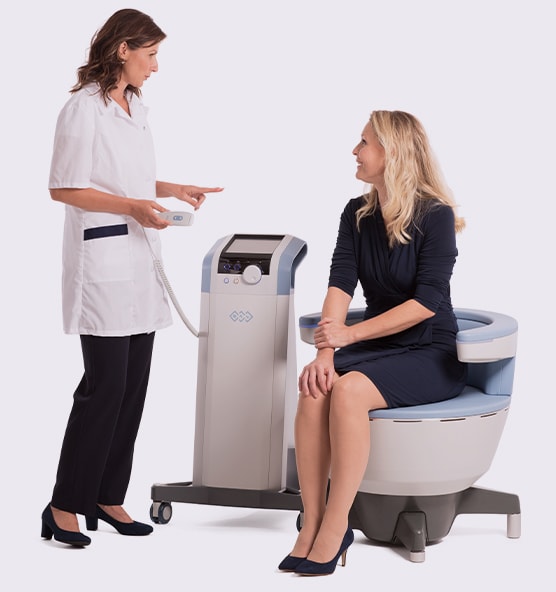
EMSELLA® uses high-intensity focused electromagnetic technology to stimulate repeated pelvic floor muscle contractions while you remain fully clothed and seated.
For some people, strengthening and improving pelvic floor muscle function may help support urinary control. EMSELLA® may be considered as part of a broader care plan when appropriate, based on your symptoms and assessment.
EMSCULPT NEO®
EMSCULPT NEO® combines electromagnetic muscle stimulation with radiofrequency energy. It is designed to stimulate muscle contractions and support muscle development.
Depending on your individual needs, muscle-focused treatments may be considered as part of a broader approach to pelvic and core function. Its suitability for bladder symptoms will depend on your assessment and treatment goals.
Your Care Journey at Victara
A personalized approach to your health, every step of the way.

01. Complimentary Wellness Consultation
Start with a conversation about your pregnancy and delivery experience, current symptoms, health history, and recovery goals. Discuss the changes you are experiencing and what you would like support with.

02. Personalized Plan Based on Your Goals & Concerns
Explore suitable care options based on your assessment. Your plan may include pelvic floor physiotherapy, selected treatments, or further medical investigation.

03. Treatment
Move forward with the services and treatments recommended for your individual needs. Your care will reflect your recovery stage, symptoms, and clinical needs.

04. Ongoing Support
Recovery is not always linear. Ongoing support gives you the opportunity to review your progress, discuss changes, and adjust your care as your needs evolve.

Related Resources and Blog Articles
Explore more information about pelvic health, bladder function, and the services available at Victara.


Services
Technology
Resources
- 6610, 7007 14th Street South West
- Calgary, AB T2V 1P9
- Phone: 403-688-6166
- Email: info@victara.com