

How EMSELLA and EMFEMME 360 Address Different Aspects of Pelvic Health
Understanding why pelvic health requires more than one approach
Urinary incontinence is something many women experience, yet it is often something they hesitate to discuss. Whether it is leaking when coughing, laughing, exercising or lifting something, or feeling a sudden and difficult-to-control urge to urinate, these symptoms can affect confidence, comfort and everyday quality of life.
What is important to understand is that urinary incontinence is not always caused by one underlying issue. The pelvic floor is a complex system involving muscles, connective tissues, nerves, blood supply and the structures that support the bladder and urethra. When one or more of these components changes or becomes less effective, bladder control can be affected.
Pregnancy and childbirth, aging, menopause, hormonal changes, reduced muscle strength and changes in tissue elasticity can all contribute. For many women, several of these factors occur together.
This is why addressing pelvic health from more than one perspective can be valuable.
At Victara, two non-invasive technologies address different aspects of pelvic health: EMSELLA and EMFEMME 360. While each treatment has a distinct purpose, they offer complementary approaches to supporting pelvic floor function and vaginal tissue health.
Understanding the two sides of pelvic health
1). EMSELLA: Focusing on pelvic floor muscle strength
The pelvic floor muscles play an essential role in bladder control. They form a supportive foundation beneath the bladder and help maintain control of the urethra, particularly when pressure increases during activities such as coughing, sneezing, laughing or exercising.
When these muscles become weakened, stretched or less responsive, they may not provide adequate support to help prevent urine leakage.
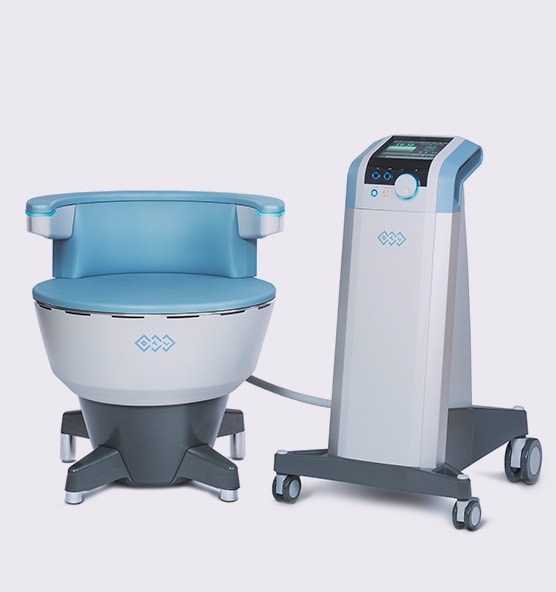
EMSELLA uses High-Intensity Focused Electromagnetic (HIFEM) technology to stimulate powerful pelvic floor muscle contractions. During treatment, patients remain fully clothed and sit in a specially designed chair. The electromagnetic energy stimulates the pelvic floor muscles, producing repeated contractions without requiring the patient to consciously perform Kegel exercises.
The goal is to condition and strengthen the pelvic floor muscles, helping improve their ability to support the bladder and contribute to urinary control.
2). EMFEMME 360: Supporting vaginal tissue health
Muscle strength is only one part of pelvic health. The condition of the surrounding vaginal tissue is also important.
As women age, particularly during and after menopause, declining estrogen levels can contribute to changes in vaginal tissue. The tissue may become thinner, drier and less elastic, with changes in its overall quality and resilience.
These changes can affect vaginal comfort and may be associated with urinary symptoms, including urgency, frequency and discomfort. The tissues of the vagina and urethra are closely connected, and hormonal changes can affect both.
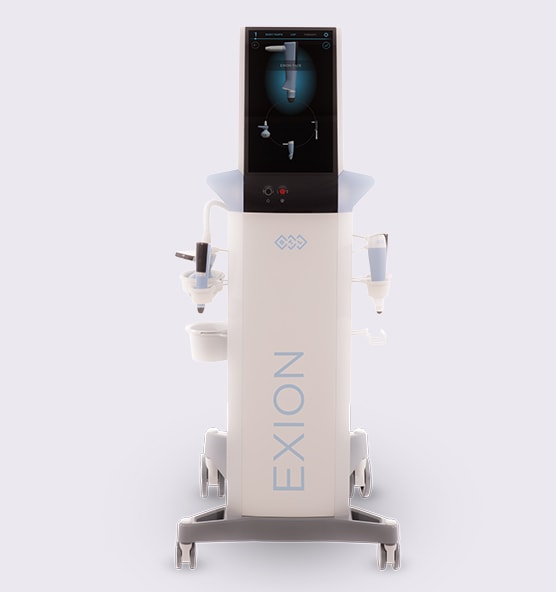
EMFEMME 360 uses radiofrequency (RF) energy to heat vaginal tissue gently. The treatment is designed to stimulate tissue-remodelling processes, including collagen-related responses, to support tissue quality, elasticity, and overall vaginal health.
Rather than focusing on muscle contractions, EMFEMME 360 addresses a different component of pelvic health: the condition of the surrounding tissue.
Why vaginal tissue health matters to urinary function
The vagina and urethra are anatomically connected and share an important relationship with estrogen. Estrogen receptors are present throughout the lower urinary tract, including vaginal and urethral tissues.
As estrogen levels decline during menopause, changes in these tissues can contribute to vaginal dryness, irritation, urinary discomfort and, in some women, urinary symptoms such as urgency and frequency.
This is one reason pelvic health should be considered as a whole. Supporting vaginal tissue health addresses a different aspect of pelvic wellness than strengthening the pelvic floor muscles.
Why consider both treatments?
This is where the two technologies become particularly interesting.
Think of the pelvic floor as a supportive system. The muscles provide active support and help maintain bladder control, while the surrounding tissues contribute to the structural environment in which these muscles and organs function.
- EMSELLA focuses on muscle conditioning.
- EMFEMME 360 focuses on vaginal tissue health.
For women experiencing changes in both areas, addressing only one component may not address every contributing factor.
- For example, a woman experiencing urinary leakage after childbirth or during menopause may have reduced pelvic floor muscle strength as well as changes in vaginal tissue quality. Another woman may experience urgency and frequency alongside menopausal tissue changes.
A treatment plan that considers these factors may therefore offer a more comprehensive approach to pelvic wellness.
It is important to recognize that the two treatments are not interchangeable, and combining them does not guarantee better continence outcomes. Their suitability depends on the individual’s symptoms, underlying causes and clinical assessment.
The connection between pelvic health and sexual wellness
Pelvic health also plays an important role in sexual wellness. The pelvic floor muscles contribute to sexual function, sensation and the ability to contract and relax during intimacy. Changes in muscle strength, coordination or tension can affect comfort and sexual experience.
At the same time, vaginal tissue health is an important part of sexual well-being. Hormonal changes, particularly the decline in estrogen associated with menopause, can contribute to vaginal dryness, reduced elasticity, irritation and discomfort during intercourse.
EMSELLA and EMFEMME 360 address different aspects of these concerns. EMSELLA focuses on pelvic floor muscle conditioning, while EMFEMME 360 uses radiofrequency energy to address vaginal tissue quality. Depending on a woman’s individual needs, these approaches may form part of a broader pelvic wellness plan that considers urinary function, vaginal comfort and sexual health.
Sexual wellness is an important part of overall quality of life, and changes in comfort or function should not simply be accepted as an inevitable part of aging.
Pelvic health is personal: Understanding the underlying cause matters
Urinary incontinence is not a single condition. Stress incontinence, urgency incontinence and mixed incontinence can have different underlying mechanisms.
- Stress urinary incontinence: Leakage occurs when physical pressure increases, such as during coughing, sneezing, laughing, lifting or exercise.
- Urge urinary incontinence: Leakage occurs with a sudden, difficult-to-control urge to urinate, often associated with an overactive bladder.
- Mixed urinary incontinence: A combination of stress and urgency-related symptoms.
Understanding which type of incontinence a woman is experiencing is an important first step in determining an appropriate treatment approach.
It is also important to understand that pelvic floor dysfunction does not always mean weakened muscles. Some women experience muscles that are overly tight, poorly coordinated or unable to relax effectively. In these cases, simply adding more muscle contractions may not be the appropriate approach.
Pelvic floor physiotherapy can help determine whether strengthening, relaxation, coordination or a combination of approaches is needed.
A more thoughtful approach to women’s pelvic health at Victara
At Victara, we recognize that pelvic health is about more than managing an individual symptom. It is about understanding the interconnected structures and changes that influence how the body functions.
EMSELLA and EMFEMME 360 offer two different, non-invasive technologies that address complementary aspects of pelvic wellness. When appropriate, they may be considered as part of an individualized treatment plan designed around a woman’s needs, symptoms and goals.
Most importantly, urinary leakage should not simply be accepted as an inevitable part of aging, childbirth or menopause. Women deserve to have their concerns heard, properly assessed and discussed with a healthcare professional.
Taking the first step toward better pelvic health begins with understanding what is happening and exploring the options available.
To learn more about EMSELLA, EMFEMME 360 or pelvic health services at Victara, contact our clinic. We would be happy to answer your questions and help you explore whether an individualized assessment may be appropriate.
Book AppointmentFAQ
Yes, they may be considered together when a woman has concerns involving both pelvic floor muscle function and vaginal tissue health.
EMSELLA stimulates and conditions the pelvic floor muscles, while EMFEMME 360 uses radiofrequency energy to address vaginal tissue quality. Because they have different purposes, they may complement one another as part of an individualized pelvic health plan.
However, not every woman requires both treatments. An assessment helps determine which approach, if any, is appropriate.
Both approaches aim to improve pelvic floor muscle function, but they work differently.
Kegel exercises involve voluntarily contracting and relaxing the pelvic floor muscles. EMSELLA uses electromagnetic energy to stimulate repeated pelvic floor contractions without requiring the patient to consciously perform the exercises.
EMSELLA may be an option for women who have difficulty performing Kegels correctly or who want to explore another approach to pelvic floor muscle conditioning. It does not replace the value of learning proper pelvic floor coordination.
Bladder control depends on more than muscle strength. Supporting tissues, nerves, the hormonal environment, and pelvic floor coordination also play important roles.
For example, a woman experiencing urinary leakage during exercise may have reduced pelvic floor muscle support. Another woman going through menopause may experience vaginal and urethral tissue changes alongside urinary symptoms.
In these situations, focusing exclusively on muscle strength may not address every contributing factor. Understanding the underlying cause helps guide treatment decisions.
Yes. Declining estrogen levels during and after menopause can contribute to changes in the vaginal and urethral tissues. These changes may cause vaginal dryness, irritation, discomfort and urinary symptoms.
Menopause is not the only cause of urinary incontinence, but it can be an important contributing factor.
Yes. The pelvic floor muscles contribute to sexual function, sensation and muscular coordination during intimacy. When these muscles are weak, overly tight or poorly coordinated, some women may experience changes in sexual function or discomfort.
Vaginal tissue health also plays an important role. Following menopause, declining estrogen levels can contribute to dryness, reduced elasticity and discomfort during intercourse.
EMSELLA and EMFEMME 360 address different components of pelvic wellness: EMSELLA focuses on pelvic floor muscle conditioning, while EMFEMME 360 addresses vaginal tissue health. Depending on individual needs, they may be considered as part of a broader approach to supporting pelvic and sexual wellness.
Yes and no. EMFEMME 360 and EMSELLA work through different mechanisms.
EMSELLA uses electromagnetic energy to stimulate pelvic floor muscle contractions. EMFEMME 360 uses radiofrequency energy to heat vaginal tissue, increasing blood flow which can help with strengthening and optimizing your pelvic floor muscles.
Understanding this distinction is important when considering which treatment may be appropriate for an individual’s concerns.
No. Although weakened pelvic floor muscles commonly contribute to stress urinary incontinence, other factors can affect bladder control.
Some women have pelvic floor muscles that are overly tight, poorly coordinated or unable to relax properly. Others may have bladder-related conditions, hormonal changes or structural issues contributing to their symptoms.
This is why an appropriate assessment is important before deciding on a treatment approach.